
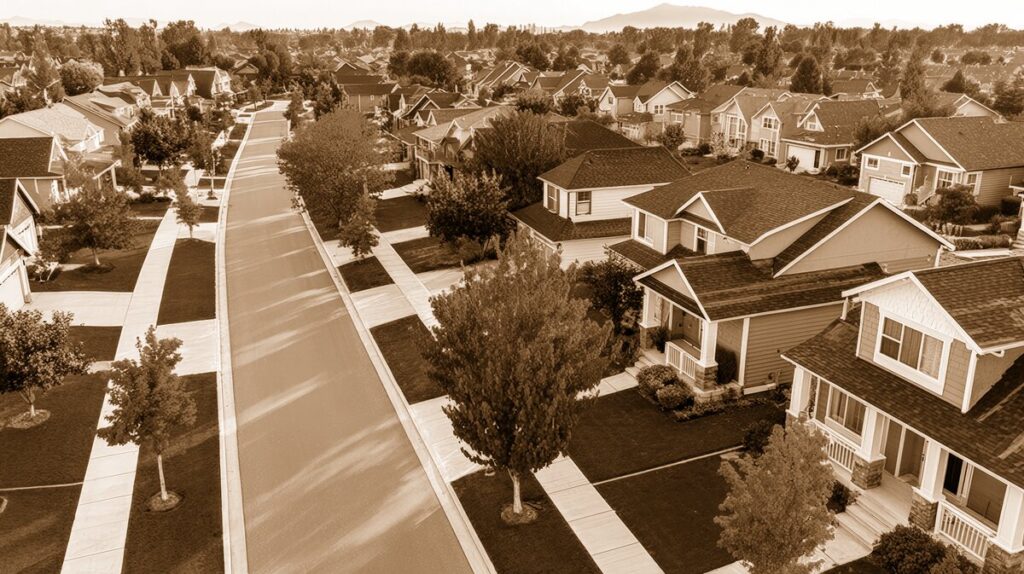
Nestled in the rolling hills of West Nashville, the West Meade neighborhood is a community where history, scenic beauty, and Southern hospitality meet. To those who call it home — and even to many who simply pass through — West Meade stands out as an address imbued with heritage and timeless charm. Whether you’re taking a peaceful drive down West Meade Boulevard or walking shaded lanes like Vaughns Gap Road and Rolling Fork Drive, you’re traversing ground rich with stories spanning centuries.
The Origins of West Meade
West Meade’s story begins long before the construction of ranch homes and schools — it starts with early Tennessee history. In the early 1800s, the land that is now West Meade was part of a larger estate known as the Belle Meade Plantation. Renowned for its thoroughbred horses and stately mansion (now a beloved Nashville museum), Belle Meade’s property originally spread over thousands of acres, reaching westward beyond today’s Harding Pike.
As Nashville grew outward in the early 20th century, the western portion of the plantation’s farmland was gradually subdivided. In 1943, the area was officially named “West Meade” — a nod to its position as the westernmost tract of the iconic Belle Meade estate.
How West Meade Got Its Name
The name “West Meade” pays homage to the history of the Belle Meade Plantation. “Meade” itself is a variation of the Old English word “mead,” meaning a grassy or meadow-like field — quite fitting for an area so defined by its gentle hills and wide lawns. By adding “West,” developers and early residents identified their community as the proud western extension of the historic lands. The moniker quickly stuck, and West Meade soon developed its own distinct identity, setting it apart from its more famously titled neighbor to the east.
Key Historical Milestones
West Meade’s transformation from farmland to suburbia was propelled by a post-World War II housing boom. What had been rolling pasture and woodland was steadily mapped into roads, lots, and homes between the 1940s and 1960s. Here are some landmarks along its timeline:
- 1940s–1950s: The first substantial wave of development. Spacious, brick ranch-style homes — a hallmark of West Meade’s visual character — were built, appealing to returning war veterans and young families. Streets such as West Meade Drive and Brook Hollow Road began to fill with modest but well-crafted residences.
- 1965: The opening of West Meade Elementary School on Davidson Road, which quickly became the heart of the neighborhood for generations of students and their families.
- Early 1980s: Subdivisions like West Meade Park and new sections of Vaughns Gap Road expanded, maintaining the area’s signature large lots and green buffers.
- 1990s–Present: A gentle but steady phase of modern reinvestment, where original mid-century homes find new life through restoration, and newer homes blend tasteful design with the old neighborhood aura.
Notable Landmarks and Historic Sites
West Meade may feel quietly residential, but it’s dotted with places of significance that root the neighborhood in Nashville’s broader tale:
- West Meade Park: Located at 700 West Meade Boulevard, the community park offers forested walking trails that weave through native hardwoods and spring-fed creeks, honoring the land’s natural heritage. The park’s open fields are beloved gathering spots for picnics and neighborhood celebrations.
- Belle Meade Plantation (Nearby): While technically outside the borders of West Meade, this historic site off Harding Pike looms large in the local consciousness; its antebellum mansion and carriage house serve as a constant reminder of West Meade’s origins.
- Richland Creek Greenway (Access Point at Morton Mill Road): Preservation and appreciation for Nashville’s urban wild spaces are a core part of the West Meade lifestyle, and easy access to this greenway is among the most treasured perks for residents.
- Historical Houses: Sprinkled throughout streets like Rodney Drive and Hillwood Boulevard are homes that have stood for 60–70 years, featuring classic mid-century architecture and original stone fireplaces fashioned from local limestone. A few even predate the neighborhood, hinting at rural roots.
The Community Spirit
What truly sets West Meade apart is its sense of community. From informal neighborhood watch groups to block parties and the annual West Meade Picnic in the Park, there is a longstanding culture of neighborliness. Residents keep up with each other at the local West Meade Wine & Spirits or over breakfast burritos at neighborhood favorite, The Loveless Cafe, just a short drive down Highway 100.
Evolution Through the Decades
As Nashville has grown — sometimes faster than anyone could imagine — West Meade has managed a delicate balance between preserving its heritage and embracing change. Throughout the decades:
- West Meade’s lots have retained their spacious, tree-lined character, resisting the trends of denser development common elsewhere in the city.
- The neighborhood’s mid-century homes are now cherished for their classic lines and solid craftsmanship, drawing both nostalgic longtime residents and new families seeking character and green space.
- Newer homes, thoughtfully built to blend in with existing styles, reflect West Meade’s reputation for a peaceful, gracious lifestyle.
- Close proximity to excellent schools, major transportation routes like Charlotte Pike, and shopping destinations such as Bellevue Place have only added to its appeal.
A Neighborhood That Reveres Its Past
Ask any longtime resident, and they’ll tell you that West Meade’s enduring appeal comes not just from its location or its attractive homes, but from the layers of history that infuse the land. From Native American hunting grounds to Civil War-era homesteads, and from pastoral farmland to a beloved family neighborhood, West Meade is a living tapestry.
Walking along the shaded streets of West Meade today, you sense the weight of its past — but also its hopeful future. Neighbors wave from wide front porches; children ride bikes down gentle hills; wildlife occasionally strolls in from neighboring Percy Warner Park; the spirit of old Nashville is very much alive.
For anyone interested in calling Nashville home, or for those simply curious about its neighborhoods, West Meade stands as a warm invitation to experience a part of the city where history and community truly go hand in hand.